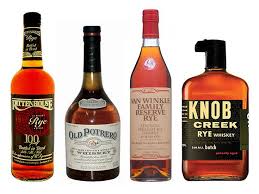
To begin, it could be useful to look at the bigger picture and characterize the liquor. Whisky is a type of alcoholic beverage produced from fermented grains. Rye Malt Whisky is one of the most popular types of whiskies in the market. The two most prevalent types of whisky are scotch and bourbon. Of course, one could have learned that bourbon isn’t scotch except when it was created in Kentucky. And that bourbon isn’t genuinely scotch until it’s manufactured in Scotland, but that is as absurd as claiming that champagne was created well beyond France is essentially simply sparkling wine.
Explaining the taste:
Communicating the flavour of whiskey to somebody who has ever experienced it is like conveying colour schemes to the blind. However, if people are comfortable with a few grain or malt whisky varieties, learning the terminology enough to classify them might be beneficial. This might assist people in determining which whiskies they are most likely to appreciate.
Grain whiskey provides a wider range of flavours depending on the grain utilized. Corn whiskey is notoriously sweet, but rye whisky is peppery and drier. Malt whiskey has a milder texture and sweetness, similar to caramel or candy.
It’s worth noting that every whiskey could have its distinct flavour palette.
Why, even now, do some individuals identify rye whiskey with Canada? Historically, Canadian whiskey was a high-rye component, with a reasonably substantial percentage of rye in the mash bill, albeit not strictly a predominance. As a result, it’s known colloquially as “rye.”
However, calling Canadian whiskey “rye” is rather deceptive because not all Canadian goods include a significant quantity of rye—or, to be more precise, any rye at all. A few Canadian ryes are made entirely or largely of rye grain, although they are exceptional.
Rye, like bourbon, begins with a “mash bill,” a grain combination that serves as the foundation of the whiskey. By regulation, rye’s mash bill must include a minimum of 51% rye. Other ingredients in most rye whiskies are malted barley or maize.
In a sour-mash procedure similar to that of bourbon, crushed grain is combined with water and a little mash from a recent extraction. Fermentations from the preceding distillation are introduced here. It’s comparable to using a sourdough starter to initiate the brewing process.
The sour-mash method has two perks. First, it produces a constant habitat for fermentation from batches, ensuring that each whiskey batch seems to have a stable flavour and fragrance with previous batches. Second, it decreases the batch’s pH, allowing the yeasts to process the mash more effectively, resulting in a larger alcohol output.
Single malt v/s blended whisky
Rye Malt Whisky can be single malt or blended. To begin with, single malt whiskey is sometimes significantly more costly than other beverages. But it has a taste that is distinctive to its distillery, which whiskey connoisseurs may appreciate. Many folks believe that single malt is created from a unique lot or cask of whiskey, but it may be a blend of many distinct whiskies, as long as they were all manufactured in the same factory.
Blended whiskey is the absolute opposite of single malt. Mixed whiskies are exactly what they sound like: various varieties of whiskey that have been blended to create a unique flavour. These beverages are typically more appealing to those new to whiskey, and they are far more prominent on the sales charts than single malt whiskies. The top 20 selling whiskies globally are frequently controlled by blended brands that sell for less than forty dollars. Even better, people have most likely never heard of the world’s best-selling whiskey, and people will never realize where it comes from! Rye Malt Whisky can be single malt or blended.