
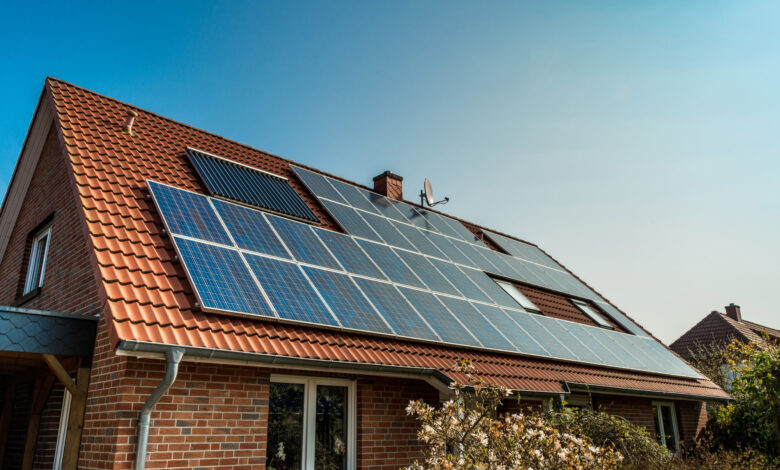
Solar power is growing in prominence, with U.S. production producing enough solar energy to power 18 million average American homes.
There’s still a lot of work to be done, though. Buying solar panels is daunting to a lot of people because they’re unfamiliar with how they work or what options they have. We’re going to look at solar panel options today, giving you some insight into what’s available to you.
We hope the ideas below inspire you to try out some of the best types of solar panels for yourself. Let’s get started.
Understanding Options: Types of Solar Panels
The most popular type of solar panel is called a “polycrystalline” panel.
These panels are created from several different pieces of silicon which are melted down into a single panel. Silicon is a very conductive surface and making it easy for heat energy and electrical energy to move through it.
The black exterior of these panels is also attractive to heat and draws a lot of power. Polycrystalline panels are 15-17% efficient in harnessing and translating electricity to your home.
Another popular option is called a “monocrystalline” panel. These units are created from a single piece of silicon and are slightly more effective:
Passivated Emitter and Rear Cell Panels
Passivated emitter and rear cell panels (PERC) has is similar to the panels above except with a few improvements.
Mirror technology reflects more light into the panel cells and increases the amount of sunshine absorbed. These units are also capable of receiving more of the light spectrum.
Higher frequencies of the electromagnetic spectrum are gathered and translated into energy. These units are a little pricier, but they’re more effective and reduce the amount of space that your solar setup takes.
PERC units are also more environmentally friendly as you don’t need as many to create the same amount of power.
Thin-Film Panels
Thin-film panels are created from skinny layers of semiconductive materials. The size and sleek nature of these panels make it possible to use them as shingles.
They’re not as efficient as other options, but they’re more affordable. Thin-film solar panels take up a little more space as well. They’re a great option if you’re on a budget or have a significant amount of roof space.
How Do You Choose Panels?
Making the selection can be tough. Odds are that your house has factors that make one of the types of solar panels above a great fit, though. For example, the slope of your roof or the position of your home might make one or more solar panel options stand out as a clear fit.
The best thing to do is to contact a local solar company. They can look at your property and tell you which approach will be best.
Want to Learn More About Home Solar Panels?
Each type of solar panel above could be an option for your home. The solar panels you choose will make a big difference in your home energy equation, though, so you must look into the different options above and weigh the pros and cons.
That means there’s a lot more to learn.
We’re here to help. Explore our site for more ideas on types of solar panels, energy efficiency, financial insights, and much more.


